
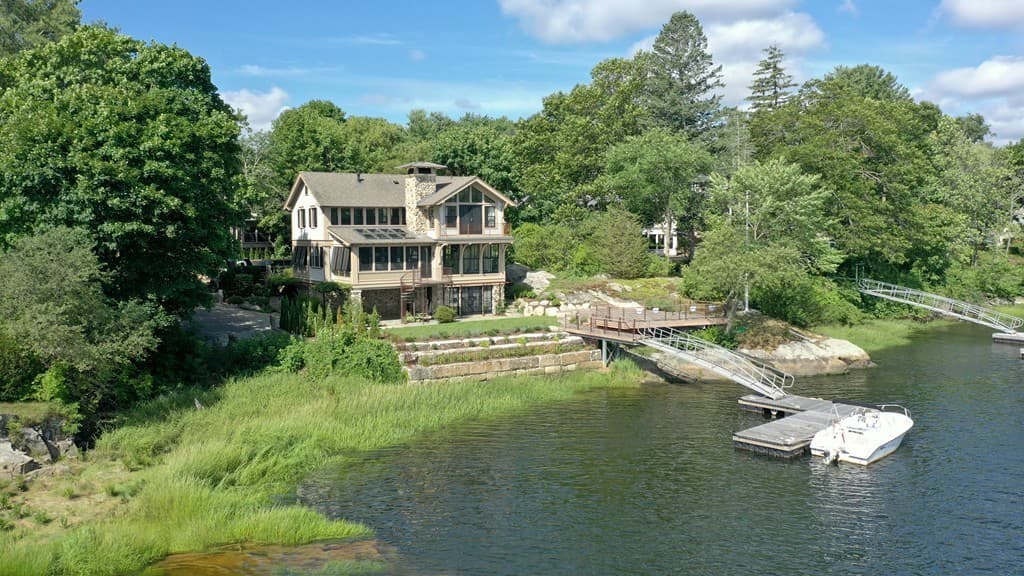
Before You Buy a Fixer-Upper, Answer These Questions First!
October 9, 2026
Before buying a fixer-upper, the question that matters most is whether the problems are cosmetic or structural. It is a good buy when it needs paint, flooring and fixtures in a location worth the effort.
And it is a risky buy when the foundation, roof, water or major systems need repairs your budget can't absorb.
We are Bentley's Real Estate in Newburyport, Massachusetts, and these are the questions we ask our own clients before anyone makes an offer. We ask them in this order.
Location comes first
The opening question, before anyone steps inside, is whether the location is worth the effort. A renovation can change almost everything except where the place sits.
That is why the old advice to buy the worst house on the best block still holds.
| Location factor | What to look for | Why it matters |
|---|---|---|
| Nearby home values | What updated homes on the street sell for | Sets the ceiling on what your renovation is worth |
| Commute and amenities | Transit, parks, schools, downtown access | Drives demand when you sell |
| Local rules | Historic districts, zoning, permit timelines | Can add cost and time to the project |
Walk the block at night and on a weekend before making an offer. An hour on foot tells you more than a week of listings online.
Structural problems vs cosmetic problems
Once you like the street, let the inspection decide the rest. Problems in an older place fall into two groups: structural and cosmetic.
Cosmetic problems build value.
Structural and mechanical problems eat money, which is why you should ask the inspector which group each issue belongs to.
Structural and foundation questions to ask:
- What is the condition of the foundation? Severe cracks, bowing walls or settling can mean repairs that cost tens of thousands of dollars.
- How old is the roof, and has the structure under it suffered water rot?
- Any water damage, mold or active leaks in the basement, crawl space or attic?
- Are the floors level and the walls plumb? Sagging floors or slanted doorframes point to shifting beneath the surface.
Systems questions to ask:
- How old are the plumbing and electrical systems? Pipes older than 50 years, such as cast iron or galvanized steel, or knob-and-tube wiring will likely need full replacement.
- When were the furnace, air conditioner and water heater last replaced? Units over 15 to 20 years old are nearing the end of their lifespan.
- Does the property need a sewer scope? Tree roots or old clay and cast-iron lines can lead to surprise excavation costs.
- Are there hazardous materials? Homes built before 1980 often contain lead-based paint or asbestos, which require specialized abatement.
| Problem type | Examples | What we'd suggest |
|---|---|---|
| Cosmetic | Paint, flooring, fixtures, dated kitchen | Good fixer-upper candidate |
| Mechanical | Old HVAC, plumbing, electrical | Price the replacement into your offer |
| Structural | Foundation, roof structure, water damage | Get a specialist's opinion or walk away |
Case in point: on older North Shore homes, we like to add a sewer scope to the home inspection. It is easy to skip and expensive to discover after you move in.
Layout and floor plan
A house can pass inspection and still fight you every day if the rooms are in the wrong places.
A good layout is worth more to a renovation buyer than extra square footage.
Moving walls costs money. Sometimes it needs an engineer too.
Count bedrooms and bathrooms against the rest of the street, because a floor plan that fits the neighborhood is easier to sell later.
The full budget behind the price
Every wall and system lands on one spreadsheet, and the purchase price is only its first line. Most plans go wrong on contingency, permits and the cost of carrying two homes.
| Budget line | What it covers | Planning note |
|---|---|---|
| Purchase price | What you pay for the property | Compare to after-repair value |
| Renovation costs | Labor, materials, contractors | Get written estimates |
| Contingency | Hidden problems found during work | Add 10% to 20% on top of estimates |
| Permits | Town fees and inspections | Check with the local building department |
| Carrying costs | Mortgage, utilities, temporary housing | Can run for months if the home isn't livable |
Next, ask what the after-repair value is. Our agents compare similar, fully updated homes that sold nearby so you can see if the total cost makes sense.
Investors often use the 70% rule, paying no more than 70% of the after-repair value minus repair costs. If you plan to live in the home, the better test is whether the finished house is worth what you will have in it.
Financing the purchase and the work
Once you know that number, you have to pay for it. Financing this kind of purchase takes more planning than a move-in ready one.
You can pay cash. Or you can look at renovation loans such as an FHA 203(k) loan or a Fannie Mae HomeStyle loan, which can roll repair costs into the mortgage.
Each loan has its own current requirements, so talk to a lender before you make an offer.
Time, disruption and DIY
Even with the loan approved and the contractor booked, expect delays.
Every renovation takes longer than planned.
So ask whether you can live through it. Dust, noise and a missing kitchen are hard on any household, and living elsewhere adds to carrying costs.
Doing the work yourself saves money. Just be honest about your skills.
Electrical and plumbing work belongs with licensed pros. Painting, demolition and simple fixture swaps are where DIY makes sense.
| Choose a fixer-upper when | Choose a move-in ready home when |
|---|---|
| You want a better location for the price | You need to move in right away |
| You have cash or financing for repairs | Your budget is fully used by the purchase |
| You can handle months of work | You can't live with disruption |
| Problems are mostly cosmetic | Inspection shows major structural issues |
You give up time and patience in exchange for a better address and the value you add yourself.
Why the owner is selling
Before you make that trade, find out why the owner is leaving it. Ask how long the house has been on the market and whether previous buyers walked away after an inspection.
A history of failed deals is a reason to look harder at the inspection reports. It is not always a reason to run.
How we help fixer-upper buyers in Greater Newburyport
A local agent can do that digging with you. Bentley's Real Estate helps buyers decide whether a fixer-upper is worth it.
Here that means older housing stock, local permit offices and contract terms worth reviewing with your Massachusetts real estate attorney. As the #1 brokerage in Greater Newburyport by market share seven years running, we compare a fixer-upper against recent sales, read what a neighborhood supports after renovation, and connect you with inspectors, lenders and attorneys.
Call our team at (978) 572-1200 before you make an offer on your next project home.
Keep Reading
Suggested Blogs

New Homeowner
Your Complete Guide to Unpacking After Moving to the North Shore, MA
Moving to Newburyport, Amesbury, or anywhere on Massachusetts' North Shore? Our 7-step unpacking guide helps new homeowners settle in quickly and stress-free.

General
National Housing Headwinds vs. Greater Newburyport's Market Strength
When national housing analysts sound the alarm, local expertise becomes essential — here's how Greater Newburyport compares to national trends.

Buyer
Massachusetts Home Inspection Red Flags
Don't let hidden problems turn your dream home into a nightmare. Know what to look for in the Bay State — especially in Greater Newburyport's unique coastal market.
Ready to Make Your Next Move?
Our proven process and local expertise are here to help you navigate every step of your real estate journey.